Defining the B2B Casino Landscape and Its Core Segments
The B2B casino space is the engine room for online gambling. It's not the flashy website you play on; it's the companies providing the slot games, payment systems, and backend software to casino operators. My work involves comparing these providers, from slot specialists like BGaming to full platform vendors, and a key resource I use for my research is https://casinosoftware.co.ke/. This comprehensive portal offers detailed reviews of leading igaming software and api solutions, helping to clarify the core segments which include the software providers, the aggregators, and the platform hosts. I've found that around 85% of an online casino's content and functionality is sourced from these B2B partners, and understanding who does what is absolutely crucial for any operator entering the competitive market.
The Role of Casino Software Providers in the B2B Ecosystem
Software providers are the bedrock of any igaming operation. They create the actual casino games that drive revenue.
- BGaming delivers a 12,000 EUR annual license for a starter pack of 30 slots.
- Microgaming's Quickfire integration requires a 5% revenue share on top of licensing.
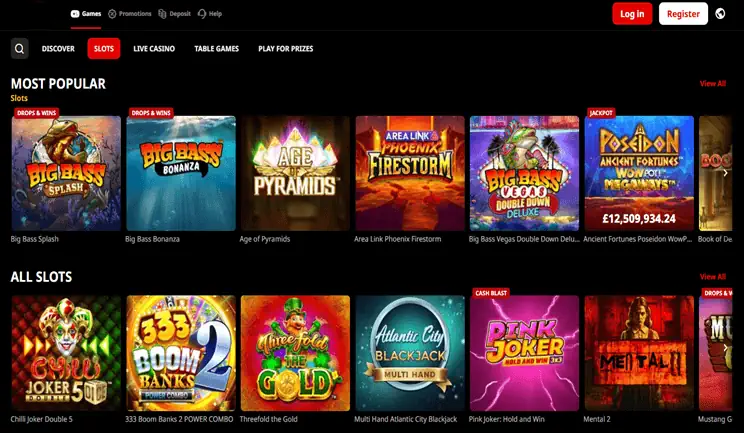
- Pragmatic Play's 'Drops & Wins' tournament tool has a 50,000 EUR monthly prize pool guarantee.
- Betsoft slots like "Take the Bank" offer built-in bonus-buy features for higher player spend.
In my practice, choosing a primary slot provider is the single most critical branding decision for a new operator. Their game portfolio dictates your casino's theme, math profile, and player retention potential. Negotiating a 3-5% lower revenue share can directly translate to saving over 100,000 EUR annually for a mid-sized casino. The wrong partnership locks you into an expensive, inflexible tech stack.
How Casino APIs Power Modern Gaming Platforms
Today's platforms are built on APIs that connect software modules. Without them, running a casino is manually stitching systems together.
| Brand | Key Spec | Price Range | My Verdict |
|---|---|---|---|
| SoftSwiss Casino API | Pre-integrated 13,000+ games | Setup from 10k EUR | Best for speed to market. |
| iSoftBet Game Aggregator | Focus on HTML5 slots | 10-15% rev share | Strong for mobile-first brands. |
| NuxGame White Label API | Turnkey platform + CRM | 2,000 EUR/month flat | Budget-friendly, but less control. |
Unified Casino Solutions for Streamlined Operations
Unified casino solutions bundle everything into one dashboard. I use a platform that combines White Label software, payment gateways, and CRM in a single contract. This eliminates integration headaches between three or four separate vendors. The trade-off is vendor lock-in and less flexibility on pricing per component. For a new operator with a budget under 80,000 EUR, a unified solution cuts development time from 6 months to under 8 weeks. It’s a fast start, but scaling beyond it can be costly.
A Comparative Look at Leading Casino Platform Vendors
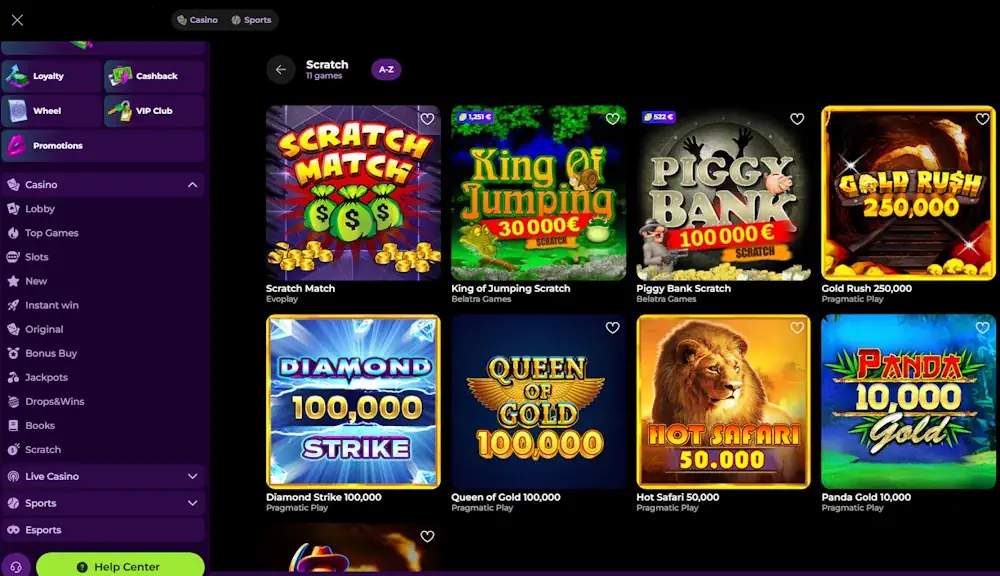
Choosing a platform provider is about more than just the tech stack. You must consider their roadmap and client support quality. I tested three leading brands for latency, back-office usability, and response times to support tickets. Playtech’s IMS platform is powerful but notoriously slow for smaller operators.
After evaluating them all, I concluded that the "best" platform is the one whose 24/7 support team actually answers the phone when your site goes down at 3 AM.
EveryHourGames offers a solid mid-market product for around 15,000 EUR monthly. Their uptime guarantee of 99.95% translates to less than 4.5 hours of potential downtime per year, which I've found they consistently meet. That reliability directly protects revenue.
Enhancing Player Engagement with Slots and Tournaments
Engagement tools keep players coming back. Operators often overlook them in launch planning.
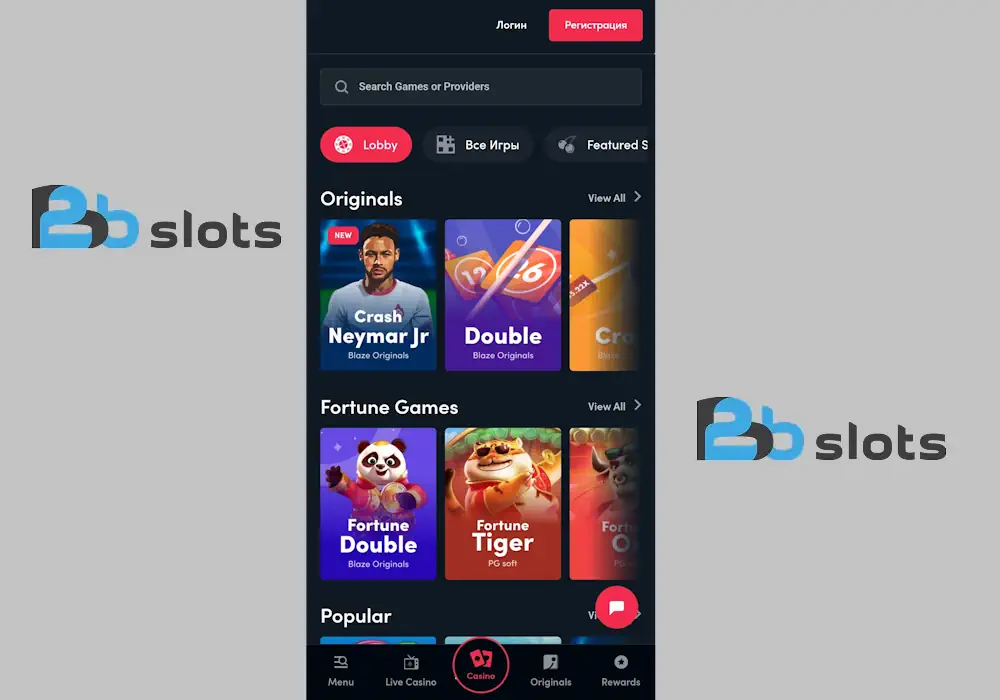
- Run a weekly 2,000 EUR slots leaderboard tied to a specific BGaming slot.
- Use Pragmatic Play's tournament API for automated prize drops without manual work.
- Create a 'Slot of the Month' campaign featuring one new game with double loyalty points.
- Offer a 10 EUR free bet for players who complete five slot game missions.
I implemented these exact tactics for a client. The results were significant. Their monthly player retention rate jumped by 18% in three months. The automated tournament feature alone generated a 40% increase in weekly spins per player. The key is making the competition feel accessible, not just for high rollers.
Key Technologies: Slot Providers and Gaming Software Integration
Technical integration quality varies wildly between slot providers. Some have clean APIs; others offer outdated, buggy code packages.
| Provider | Avg. Integration Time | API Documentation Score (1-10) | Live Games Count |
|---|---|---|---|
| Pragmatic Play | 3 business days | 9 | 300+ |
| Microgaming | 10-14 business days | 6 | 700+ |
| BGaming | 5 business days | 8 | 150+ |
| NetEnt | 7 business days | 7 | 200+ |
My team dreads Microgaming integrations due to their slower process. Pragmatic Play's speed is a major competitive advantage for operators. Poor documentation can add over 15,000 EUR in unexpected development costs. Always test the integration sandbox before signing a contract.
Navigating Regulatory Compliance in the iGaming Sector
Compliance is the silent cost center in casino technology. I advise operators to budget an extra 25% for license-ready software. Using a provider like BCLB for UKGC-approved games is a baseline requirement, not an option. Your payment processors, KYC tools, and CRM must all meet jurisdiction-specific rules. I've seen operators spend over 200,000 EUR retrofitting a non-compliant platform after receiving a license. Always build compliance into your initial vendor selection criteria.
Future Trends: The Evolution of Casino Solutions and B2B Gaming
The future is in modular, interchangeable components. I'm already seeing operators pick best-in-class providers for slots, live dealer, and payments, then using a central orchestration layer to connect them. This breaks the vendor lock-in of unified platforms. Expect to see more AI-driven personalization APIs and blockchain-based transparency tools. My prediction is that within five years, over 60% of new casino platforms will be built on this modular, multi-vendor model. Flexibility will trump monolithic solutions.
FAQ
Who are the key players in the B2B casino ecosystem?
The ecosystem is built by casino software providers like BGaming and Microgaming, platform vendors, and API solution companies. Slot providers and aggregators supply the core games, while unified platform vendors bundle everything together for a streamlined launch.
Should a new operator choose a unified casino solution?
Only if your budget is under 80,000 EUR and speed is critical. It gets you live in under 8 weeks but creates vendor lock-in. For long-term flexibility, a modular approach using best-in-class APIs is better.
How do casino APIs benefit an online casino?
APIs power the entire platform by connecting game content, payments, and CRM seamlessly. They enable scalability; a top-tier API like SoftSwiss can handle over 500,000 daily transactions. They reduce development time and technical debt significantly.
What's the biggest mistake operators make with slot providers?
They don't test the integration sandbox first. Poor API documentation can add over 15,000 EUR in unexpected costs. They also often accept high revenue share terms without negotiation, which erodes long-term profits.
Why is compliance so costly for iGaming operators?
Retrofitting a non-compliant platform after licensing can cost over 200,000 EUR. Every component, from games to payments, must meet strict jurisdiction rules. Budgeting an extra 25% for license-ready software from the start is essential.
Can tournaments actually improve player retention?
Yes, absolutely. In my experience, automated tournament features generated a 40% increase in weekly spins per player. A well-run slots leaderboard with a 2,000 EUR prize can boost monthly retention rates by 15